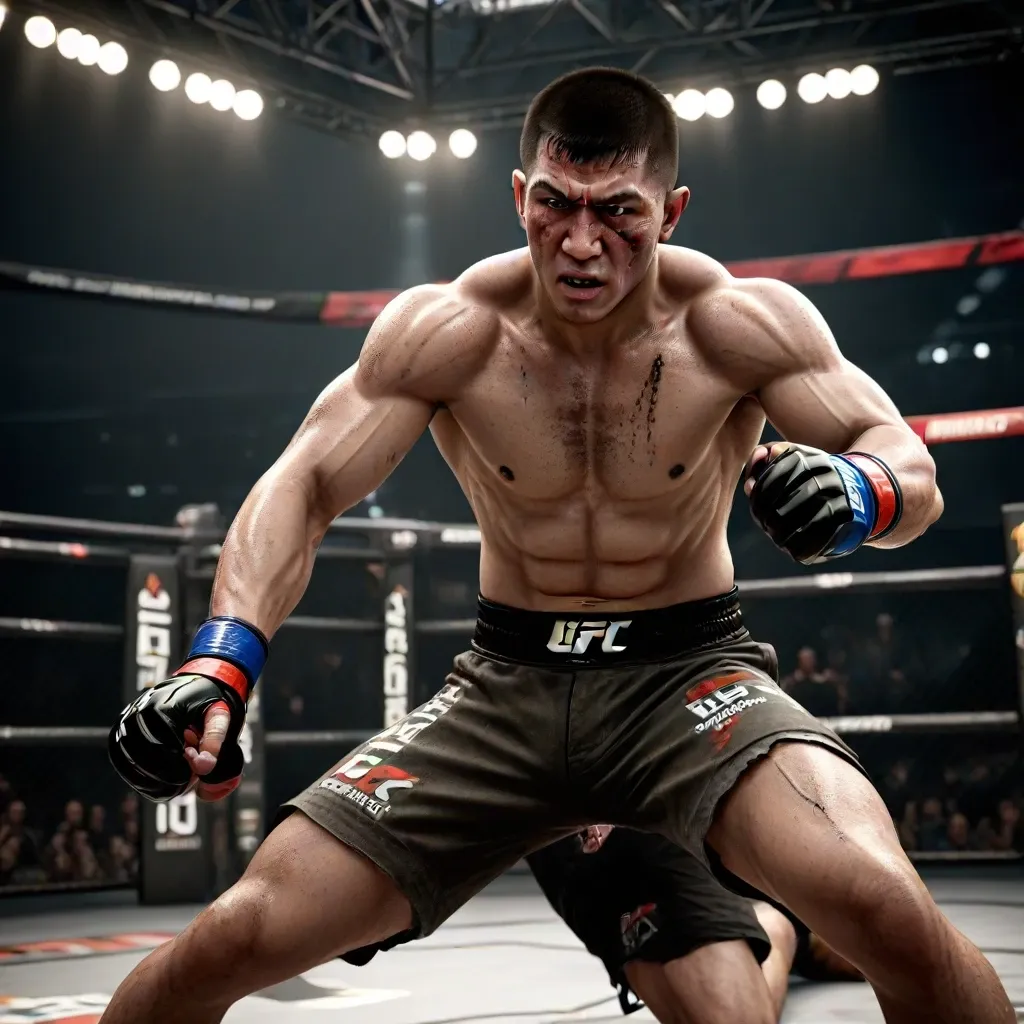
Imagine a fighter, toiling in regional circuits, dreams seemingly out of reach. Then, a single phone call changes everything. That’s the reality Road to UFC is forging for Asia’s most promising mixed martial artists. This isn’t just another MMA tournament; it’s a high-stakes proving ground, a launchpad directly into the Ultimate Fighting Championship. Road to UFC is igniting the Asia Pacific MMA scene, providing unprecedented opportunities and a clear pathway to the sport’s biggest stage.
This article dives deep into Road to UFC, offering an expert analysis of its structure, impact, and future. It explores how this tournament is reshaping the landscape of Asian MMA and giving homegrown talent the chance to shine on the global stage. Get ready to discover the transformative power of Road to UFC – where dreams become reality, one fight at a time.
What is Road to UFC?
Road to UFC is a tournament designed to scout and develop promising MMA talent from Asia, providing a direct pathway to a coveted UFC contract. It’s a high-stakes proving ground where fighters battle not just for victory, but for the opportunity to compete on the world’s biggest stage. This tournament seeks to unearth the next generation of Asian MMA stars, offering them unparalleled exposure and a chance to break into the UFC ranks.
Format and Rules
The Road to UFC format is straightforward and brutal: win and advance. It’s a single-elimination tournament, meaning that after each fight, the winner moves on to the next round, while the loser is eliminated from the competition. This high-pressure environment forces fighters to bring their best every time they step into the cage. Each victory brings them closer to a UFC contract, but a single loss ends their journey. This unforgiving structure adds drama and excitement, as every fight carries immense weight. The tournament showcases a diverse range of weight divisions, ensuring opportunities for fighters of all sizes to prove their mettle and potentially earn a spot in the UFC.
Key Aspects to becoming a successful Road to UFC prospect
Importance of Adaptability and Resilience
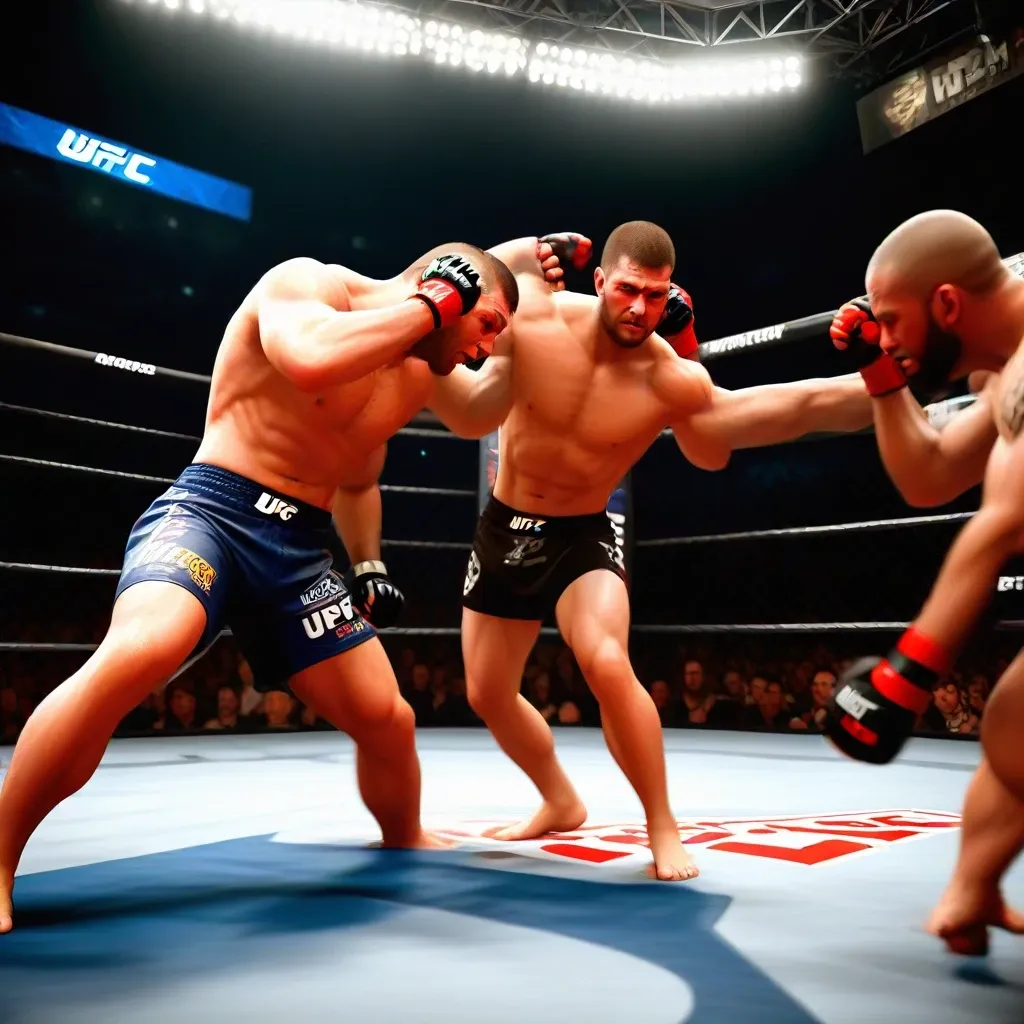
In the grueling crucible of the Road to UFC, adaptability and resilience aren’t just beneficial; they’re the bedrock of success. The tournament format, with its compressed timeline and high stakes, demands a fighter who can adjust strategies on the fly, overcome unexpected obstacles, and bounce back from setbacks. A rigid game plan, no matter how brilliant, is easily shattered by an unforeseen injury, a stylistic mismatch, or simply an off night. The fighter who can improvise, evolve, and learn from every experience gains a crucial edge.
Beyond tactical adjustments, mental fortitude is tested and refined along the path to success. Overcoming adversity is a constant companion, be it in the form of a questionable referee call, a partisan crowd, or the sheer exhaustion of competing at a high level with minimal recovery time. Mental toughness allows a fighter to maintain focus, manage pressure, and perform their best even when conditions are far from ideal. This separates contenders from pretenders, transforming promising athletes into genuine threats.
The proper mindset, interwoven with a constantly evolving skillset, is a powerful combination. Skill alone can only carry someone so far. It’s the relentless pursuit of improvement, coupled with the ability to embrace challenges and view defeats as learning opportunities, that truly forges a champion. This involves not only mastering the technical aspects of fighting but also cultivating a growth mindset, seeking out constructive criticism, and constantly pushing the boundaries of one’s capabilities. In the high-pressure environment of Road to UFC, those who can adapt, endure, and evolve are the ones who ultimately thrive.
Standout Prospects to Watch
The Road to UFC tournament is a proving ground, a crucible where promising Asian MMA prospects are forged into potential UFC contenders. This season promises a fresh wave of talent, eager to showcase their skills on a global stage. Let’s delve into a few names that fight fans should be paying close attention to, fighters who possess the potential to not only win their respective brackets but also make a significant impact in the UFC’s ranks.
Shuhei Wakabayashi (Flyweight)
Hailing from Japan, Shuhei Wakabayashi brings a dynamic and aggressive style to the flyweight division. With a background in wrestling, Wakabayashi seamlessly blends takedowns with a developing striking game. His relentless pressure and willingness to engage make him a tough matchup for anyone. Wakabayashi’s previous performances demonstrate a killer instinct, consistently hunting for finishes. While his striking defense could use some refinement, his offensive output is undeniable. He has a legitimate shot to win the flyweight tournament with improvements.
Xiao Long (Bantamweight)
Representing China, Xiao Long is a well-rounded bantamweight with a knack for exciting fights. Possessing crisp striking and a solid grappling base, Long is comfortable exchanging on the feet or taking the fight to the ground. His cardio is a definite strength, allowing him to maintain a high pace throughout three rounds. While he doesn’t possess one overwhelming weapon, his adaptability and fight IQ make him a dangerous opponent. Long’s path to victory likely involves utilizing his well-rounded skillset and capitalizing on opponents’ mistakes. He definitely will be a threat to most in the tournament.
Lee Jeong-yeong (Featherweight)
South Korean Lee Jeong-yeong is a featherweight with a background in taekwondo. Lee’s striking is dangerous, which he showed multiple times in his career.. While his ground game is still developing, his takedown defense has improved significantly. Lee presents a stylistic challenge for many featherweights, and his power could be a great factor in deciding who wins the tournament.
The Underdog Surprise
Don’t sleep on Thailand’s Soridon Yokpeekol! This lightweight fighter entered the tournament as a relative unknown, with only a limited professional record. However, Yokpeekol has already defied expectations, showcasing a surprising level of grit and determination. His Muay Thai base provides a solid foundation, and he isn’t afraid to mix it up. While he may lack the polish of some of the more hyped prospects, Yokpeekol’s heart and toughness make him a live underdog capable of pulling off an upset or two. His journey is a testament to hard work and dedication, proving that anything is possible in the world of MMA.
The Impact of Road to UFC on Asian MMA
Road to UFC acts as a catalyst, significantly amplifying the growth and development of MMA throughout Asia. The program elevates Asian MMA’s visibility on the global stage, transitioning regional talent into international contenders. This exposure generates more opportunities for Asian fighters, paving pathways to the premier league of the sport and stimulating broader interest in MMA within the region. The influx of attention and resources driven by Road to UFC ripples outwards, impacting local MMA promotions and training facilities, fostering a more competitive and professional environment.
Road to UFC has become more than just a competition; it’s a launchpad. It provides aspiring Asian MMA fighters with unprecedented access to coaching, training resources, and exposure, thus accelerating their development. This, in turn, raises the overall standard of MMA in Asia, encouraging innovation in training techniques and strategies. The presence of Asian fighters in the UFC increases their visibility and inspires a new generation of athletes to pursue MMA careers. Before Road to UFC, the number of Asian fighters in the UFC was considerably lower, reflecting the challenges they faced in gaining international recognition. Since the program’s inception, there has been a notable increase in Asian representation, a testament to Road to UFC’s effectiveness in scouting, nurturing, and promoting regional talent. This surge not only diversifies the UFC’s talent pool but also enriches the sport with a variety of fighting styles and cultural influences, making it a global phenomenon. The competition helps to build a bridge between local talent and the world stage.
Statistics
The Asian MMA market has experienced exponential growth, with the market increasing by approximately 15-20% annually over the past five years. This surge is partly fueled by the success of Asian fighters in promotions like the UFC, which has, in turn, boosted viewership and participation rates in local MMA events. The growth rate signifies the rising popularity of MMA as a viable sport and entertainment option across various Asian countries, creating a fertile ground for future MMA talent, thus developing regional MMA.
Beyond the Tournament: What’s Next for Road to UFC Alumni?
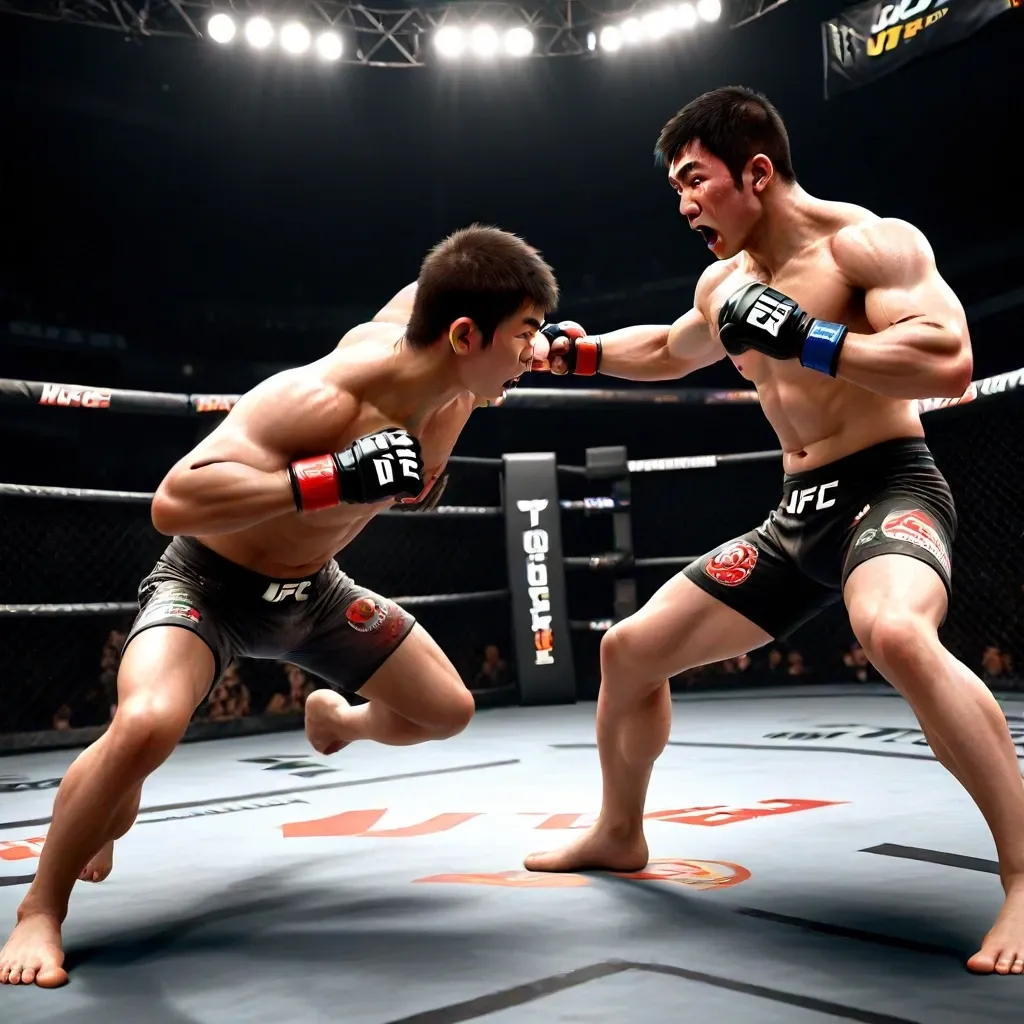
Road to UFC serves as a high-stakes proving ground, but what happens after the final bell rings? The tournament is only the beginning. For some, it’s a launchpad to a thriving UFC career. For others, the journey proves more challenging. Understanding these contrasting trajectories offers valuable insights for aspiring MMA prospects.
Several fighters have demonstrably leveraged Road to UFC into impactful UFC careers. These MMA success stories often share common threads: dedication to rigorous training, strategic coaching, and savvy management. They treat Road to UFC not as the ultimate destination, but as a crucial stepping stone. Fighters who demonstrate adaptability, a willingness to learn, and the ability to perform under pressure are more likely to flourish in the UFC’s demanding environment.
However, not every Road to UFC participant achieves lasting success in the octagon. Some struggle to adapt to the increased competition and the constant pressure to perform. Factors such as injuries, difficulties adjusting to the UFC’s training regimen, or simply facing opponents with superior skillsets can hinder progress. The transition from regional circuits to the global stage requires more than just talent; it demands resilience and a commitment to continuous improvement.
For aspiring Road to UFC participants, the key to long-term success lies in preparation and perspective. Focus on honing fundamental skills, building a strong support system, and developing a strategic career plan. View the tournament as an opportunity to learn, grow, and showcase potential, rather than a guarantee of immediate stardom. Success in the UFC is a marathon, not a sprint, and Road to UFC is merely the starting line.
Conclusion
Road to UFC has undeniably become a critical catalyst for the burgeoning Asian MMA scene. It serves as a platform, launching previously unknown fighters into the global spotlight of the UFC. The competition’s structure provides invaluable experience and exposure, rapidly accelerating the development of MMA talent across Asia. As Road to UFC continues, keep an eye on these rising stars as they climb the ranks. Their journey not only shapes their individual careers but also contributes to the overall growth and recognition of Asian MMA on a global scale. Following Road to UFC and supporting these athletes is essential for anyone invested in the evolution of mixed martial arts.