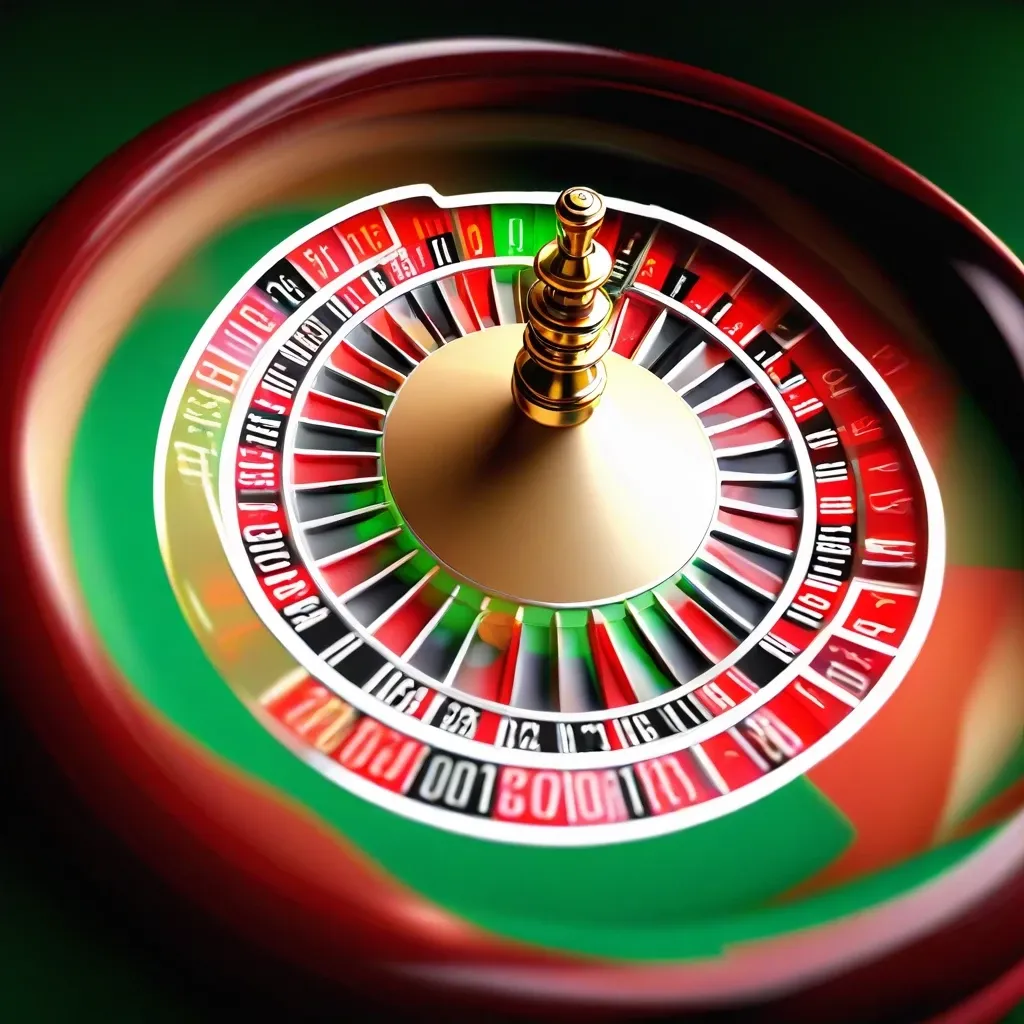
The roulette wheel spins, a blur of red and black, as fortunes hang in the balance. Few casino games can match the raw excitement and unpredictable nature of roulette. Amidst the array of betting strategies whispered among seasoned players, the Biarritz system holds a certain mystique. Is it a guaranteed path to riches, or just another gambler’s fallacy?
The Biarritz system, also known as the fixed number betting strategy, is shrouded in speculation. Many believe it’s a complex algorithm, while others dismiss it as pure chance. This exploration aims to cut through the noise and provide a clear, expert-led examination of how the Biarritz system actually works.
Expect a straightforward breakdown of the system’s mechanics, its potential advantages, and, more importantly, its inherent limitations. Understand that no roulette strategy, including the Biarritz system, can guarantee winnings. However, a grounded understanding of its principles can inform betting decisions and enhance the overall gambling experience. Let’s demystify the Biarritz system and equip you with the knowledge to approach it with informed perspective.
Demystifying the Biarritz System: It’s Not a Layout
The Biarritz system often causes confusion for those new to roulette strategies. A common misconception is that Biarritz refers to a unique roulette table layout, perhaps a little-known variant alongside French or European roulette. This is incorrect. The Biarritz system has nothing to do with the physical layout of the roulette table.
Instead, the Biarritz system, also known as the Fixed Bet System, is a specific type of betting strategy. It centers entirely around repeatedly placing bets on a single number. Unlike strategies that involve spreading bets across the table or adjusting wagers based on previous outcomes, the Biarritz system is remarkably straightforward: choose your lucky number and stick with it.
Imagine it like this: some people might mistake the Martingale system, which is about doubling your bet after a loss, for a particular way the casino organizes its tables. But the Martingale, like the Biarritz, is purely a method of wagering, not a physical arrangement. The Biarritz is not a roulette variation, but a method.

The Biarritz Bet: A Deep Dive
The Biarritz bet, also known as the fixed bet system, presents a straightforward yet high-risk approach to roulette. Its core mechanic revolves around consistently wagering the same stake on a single number across numerous spins until that number hits. Unlike progressive betting systems where the stake changes after each round, the Biarritz method sticks to a fixed amount, offering a simple if potentially perilous path to a substantial payout.
In practice, the Biarritz bet unfolds as follows: A player selects a number from the roulette wheel – let’s say 17. They then decide on a fixed stake, we’ll assume $5. The player places $5 on number 17 for each spin. They keep betting $5 on 17, spin after spin, regardless of whether they lose. The idea is that eventually, number 17 will land, delivering a payout of 35 to 1, hopefully recouping all prior losses and yielding a profit. This process continues until the chosen number finally appears.
While the allure of a large payout from a single number hit is tempting, a significant downside of the Biarritz bet is its inherent risk. Because the stake remains constant, a long losing streak can quickly deplete a player’s bankroll. Therefore, setting a loss limit is crucial. Before starting a Biarritz betting session, one must determine the maximum amount they are willing to lose. Once that limit is reached, the player should stop, regardless of how many spins have occurred. This helps to mitigate the potential for devastating losses and ensures a more responsible approach to this high-variance roulette strategy.
Biarritz vs. Other Roulette Strategies
The Biarritz strategy, with its unwavering focus on a single number, stands in stark contrast to other roulette strategies that advocate for a more diversified approach. Understanding these differences is key to choosing a strategy that aligns with your risk tolerance and bankroll.
Compared to the Martingale strategy, the Biarritz is arguably riskier in the short term. Martingale involves doubling your bet after each loss, typically on even-money bets like red/black. While Martingale aims for small, consistent wins, Biarritz seeks a large payout from hitting the chosen number. A losing streak with Biarritz can be disheartening, as it offers no incremental returns until that single number finally hits. Martingale can deplete funds really fast, but Biarritz is slower.
The Fibonacci strategy utilizes the Fibonacci sequence to determine bet sizes. This method is less aggressive than Martingale, and spreads bets across outside chances. Unlike the concentrated approach of Biarritz, Fibonacci attempts to capitalize on streaks and recoup losses gradually. It’s a more controlled ascent, in comparison to Biarritz’s repetitive bets, patiently waiting for the one hit.
The D’Alembert follows a similar principle to Martingale but increases and decreases bets by a fixed amount rather than doubling. This makes it a less volatile option. While D’Alembert is more flexible, Biarritz is more static. One strategy is more conservative, and the other gambles with a big win.
Mathematical Probabilities and the House Edge
Understanding the Odds in European Roulette
European roulette presents a seemingly straightforward game of chance, but beneath the spinning wheel lies a landscape of mathematical probabilities that significantly impact betting strategies like the Biarritz system. The core of the Biarritz system is placing repetitive bets on a single number (or multiple single numbers each round). Therefore, understanding the odds of hitting that single number is crucial. In European roulette, the wheel contains 37 numbers (1-36, plus a single 0). This means the probability of any specific number hitting on a given spin is 1 in 37, or approximately 2.7%.
While a hit does result in a payout, the payout odds don’t truly reflect the actual probability. The standard payout for a single number hit in European roulette is 35 to 1.

Strategic Considerations and Practical Application
The Biarritz strategy, while seemingly straightforward, demands careful consideration and disciplined execution. It’s not a magic bullet, but a tool best wielded with a clear understanding of its inherent risks and limitations. Before diving in, aspiring Biarritz practitioners must address crucial aspects like bankroll management, risk tolerance, and session limits.
Biarritz Strategy Tips: Bankroll Management
Prudent bankroll management is the bedrock of any sustainable gambling strategy. The Biarritz is no exception. Before placing a single bet, determine the total amount of money you’re willing to risk—your bankroll. Then, divide your bankroll into betting units. A conservative approach suggests wagering no more than 1-2% of your bankroll per spin. For example, with a $500 bankroll, your bet size should be between $5 and $10.
Biarritz Strategy Tips: Risk Tolerance
Risk tolerance dictates how aggressively you implement the Biarritz. A low-risk player might stick to the lower end of the bet size range (1% or less) and play shorter sessions. A high-risk player might venture towards the higher end (2%) and extend their playtime. Remember, higher risk doesn’t guarantee higher reward, it simply amplifies both potential gains and losses.
Biarritz Strategy Tips: Session Limits
Setting win and loss limits is crucial for responsible gambling and preventing catastrophic losses. Before each session, decide on a target profit and an acceptable loss threshold. For instance, you might aim to win 50% of your starting bankroll or stop playing if you lose 25%. Stick to these limits religiously, regardless of winning or losing streaks. For example, with a $500 bankroll, stop playing after winning $250 or losing $125.
Independent Experiences and Insights
Diving into the Biarritz strategy feels like stepping into a high-stakes game where intuition meets calculated risk. The allure of potentially quick wins is undeniable, drawing you into the thrill of the casino atmosphere. Personally experimenting with this strategy, the rush of adrenaline as the ball dropped, either confirming or crushing the carefully placed bet, was intense.
There were moments of triumph, small victories that fueled the belief in the system. Walking away with a profit, even a modest one, reinforced the appeal of the Biarritz strategy. Examining closely each win, it seemed luck was a primary driver, and the strategy was simply a framework for engaging with the game, not a guaranteed path to riches.
However, the losses were equally impactful. Seeing the initial stake dwindle after a series of unsuccessful bets brought a stark reminder of the inherent risks of gambling. It became clear that the Biarritz strategy, like any other, is not foolproof. The house always has an edge, and understanding this is crucial.
The experience highlighted the importance of responsible gambling. Setting limits, both in terms of time and money, is essential. The Biarritz strategy can be entertaining, but it should be approached with caution and a realistic understanding of its limitations.
Conclusion
In summary, the Biarritz system, also known as the Martingale, might seem enticing with its simple all-in approach. However, it’s crucial to recognize that this is a high-risk strategy. Placing the same bet repeatedly on roulette significantly increases the potential for substantial losses. There’s no magic formula that promises winnings, although the idea behind the Biarritz strategy seem clever.
Roulette, like any form of gambling and casinos, should be approached with caution and a clear understanding of the risks involved. Gambling is not a reliable source of income. Always gamble responsibly and know your limits. Raise gambling awareness and seek help if you or someone you know may have a gambling problem. Numerous resources are available to provide support and guidance for responsible gambling